Air Conditioner Replacement Jacksonville FL
Replacing a cooling system is a significant decision, and it should be based on the condition of your equipment rather than on pressure. This page explains the factors that genuinely matter and includes a tool to help organize your thinking.
Serving Jacksonville and surrounding communities.
Short answer
Replacement is worth evaluating when a system is well into its second decade, when repairs are becoming frequent or expensive, when a major component such as the compressor or coil has failed out of warranty, when comfort and humidity control have declined, or when the refrigerant is costly to source. Repair often makes sense for newer systems, warranty-covered parts and isolated component failures.
Factors that actually drive the decision
System age and accumulated runtime
Residential cooling equipment in Florida works long hours, and age matters more here than in milder regions. A system in its mid-teens is not automatically due for replacement, but it deserves a more careful cost comparison when a major repair appears.
Repair history and cost
One capacitor in five years is normal wear. Three service calls in two summers, or a repair quote that represents a large fraction of the cost of new equipment, is a different situation. Track what you have spent — it is the most useful data you have.
Which component failed
Small electrical parts are inexpensive and rarely justify replacement. Compressors, evaporator coils and condenser coils are the components that shift the conversation, especially when they are out of warranty.
Comfort and humidity control
In Jacksonville, humidity control is as important as temperature. A system that reaches the setpoint but leaves the home clammy, or that cools unevenly between floors, may be undersized, oversized, poorly ducted or simply worn.
Efficiency and operating cost
Newer equipment is generally more efficient than equipment from a decade or two ago, and with a long cooling season the difference compounds. Actual savings depend on the home, the ductwork, the installation quality and how the system is used, so treat broad savings claims cautiously.
Refrigerant considerations
Systems using phased-out refrigerants can be expensive to repair when a leak develops. This is often the deciding factor for older equipment.
Sizing, ductwork and installation quality
New equipment cannot fix bad ducts. A proper load calculation, correctly sized equipment, sealed and adequately sized duct runs, good airflow and a careful commissioning process influence comfort and longevity more than the brand on the cabinet. Ask how sizing will be determined before accepting any replacement proposal.
Warranty status
Manufacturer parts warranties often cover major components for a period after installation, and registration can matter. Check paperwork or the model and serial number before assuming a part is not covered — it can change the math entirely.
A fair way to decide
When the choice is genuinely close, request both a repair estimate and a replacement estimate and compare them against how long you plan to stay in the home. There is nothing wrong with repairing a system to buy time if that is the better fit for your situation.
Independent resources: ENERGY STAR — central air conditioners · U.S. Department of Energy — central air conditioning
What a replacement project involves
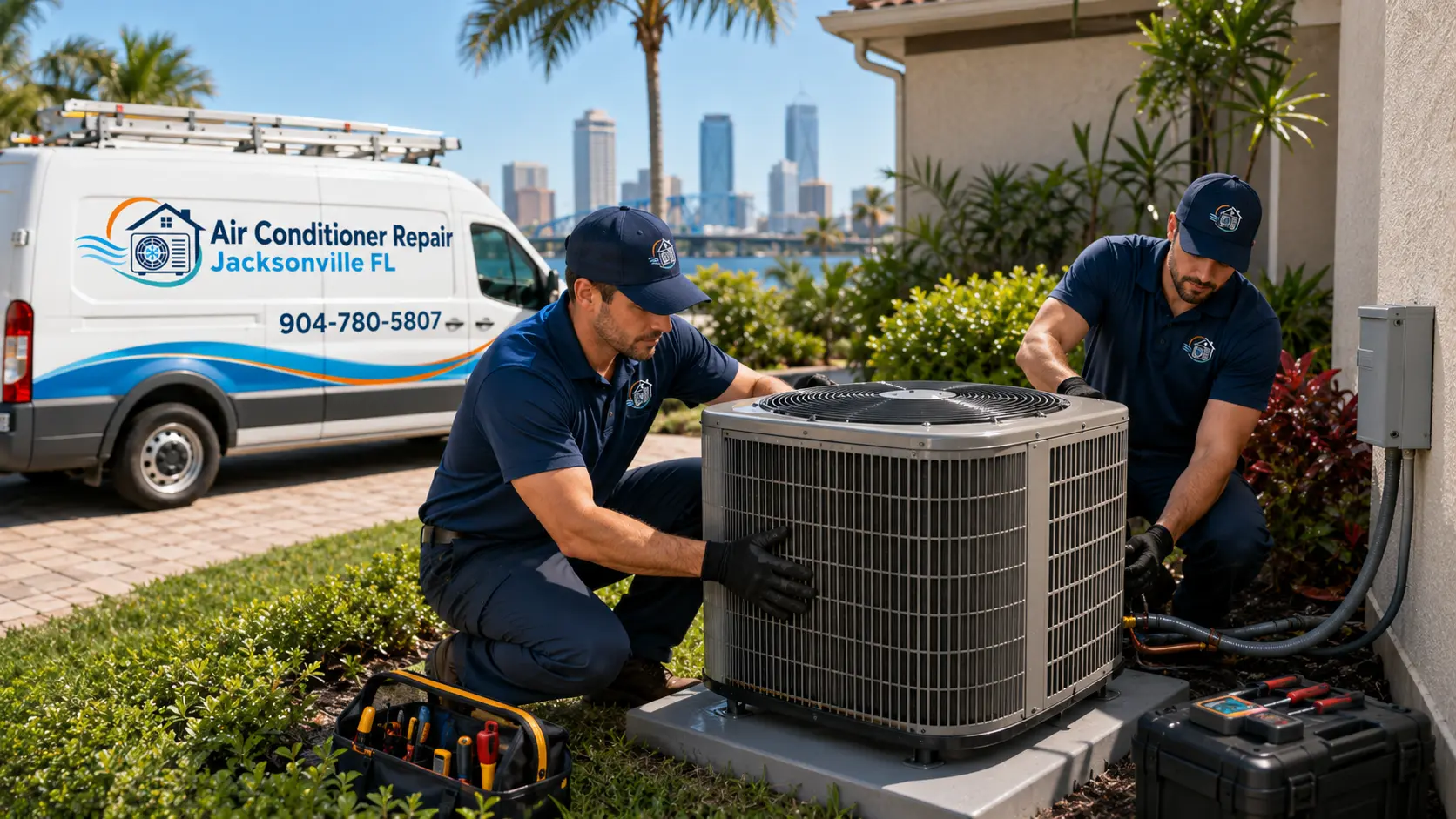
A typical changeout includes recovering refrigerant from the old system, removing the outdoor unit and indoor coil or air handler, evaluating and adapting the line set, addressing the condensate drain and pan, making electrical connections, setting the new equipment, evacuating the system, charging to specification and verifying airflow and operation. Duct repairs, a new pad or platform, and thermostat replacement are sometimes part of the scope.
Related pages: AC repair cost guide · Compressor repair · AC maintenance
This tool provides general educational guidance only. Actual repair-versus-replacement decisions depend on system condition, efficiency, warranty coverage, installation quality, repair history and professional diagnosis.
Frequently Asked Questions
When should I repair versus replace an air conditioner?
Repair usually makes sense for newer systems, warranty-covered parts and isolated failures. Replacement is worth evaluating for older systems with major component failure, frequent repairs, declining comfort or expensive refrigerant.
How long should a residential air conditioner last in Florida?
Lifespan varies widely with maintenance, installation quality, runtime and coastal exposure. Heavy year-round use in Jacksonville tends to shorten service life compared with cooler climates, but well-maintained systems can last a long time.
Is a bigger air conditioner better?
No. An oversized system cools quickly but runs short cycles that remove less humidity, which in Jacksonville often feels worse. Proper sizing based on a load calculation matters more than raw capacity.
Do I have to replace the indoor and outdoor units together?
Matching the indoor coil and outdoor unit generally provides the rated performance and avoids compatibility compromises. Replacing only one side is sometimes possible but should be discussed openly.
Will new ductwork be needed?
Not always, but duct condition should be evaluated. Leaky or undersized ducts limit what any new system can deliver.
Get help with your AC in Jacksonville
Call to describe the symptoms and check current service availability, or send your details online.